

NeoXam Density User Group: what we discussed, what we’re building, what’s next
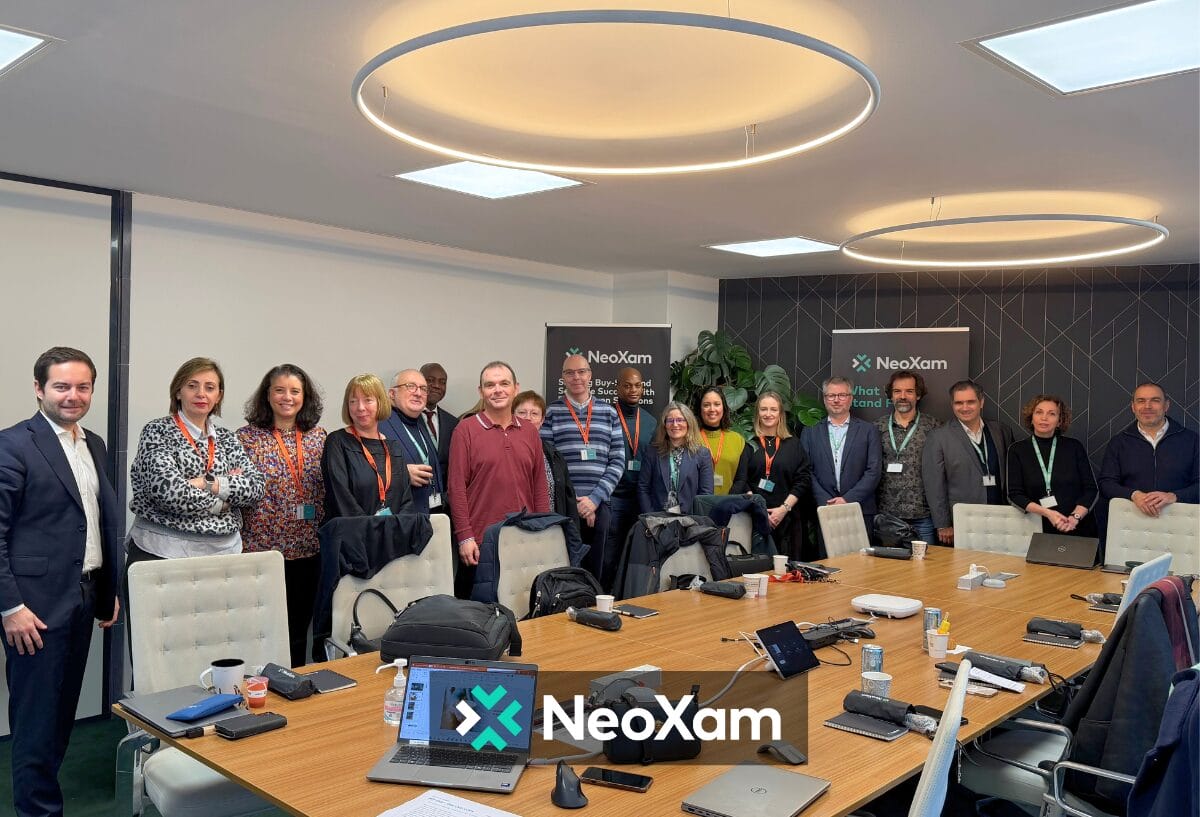
On February 5, 2026 in Paris, we brought the NeoXam Density community together for our Density User Group, a day built around a simple idea: if Density is a tool people rely on every day, then the product roadmap should be shaped by the people who actually use it.
If you work with a Portfolio Management System every day, you know the truth: the “big topics” (regulation, ESG, private assets, data, security) only become meaningful when they translate into day-to-day workflows. This user group was designed to do exactly that, share updates, compare priorities across different roles, and have open conversations about what should come next for NeoXam Density.
A user group built for real-life Portfolio Management roles
NeoXam Density sits at the intersection of several teams. That’s what makes it powerful, and also why the user group works best when the room reflects that reality.
We had people who think in terms of portfolios and investment decisions, and people who think in terms of processing, controls, and deadlines. We had compliance and risk perspectives, ESG expectations, private assets workflows, and the IT and transformation lens that keeps everything stable, secure, and integrated.
Even when priorities differ by role, the foundations are shared: a platform that is fast, reliable, traceable, and easy to use, especially when deadlines are tight.
What the day looked like
We structured the user group in a way that kept the pace and made room for discussion. We opened with product context and key updates, then moved into a regulatory watch, because what’s coming next has real impact on data, reporting, and controls. After that, we focused on the Density roadmap and on the “how” behind delivery, support and R&D: performance, security, modernization, and integration. We also spent time on NXaaS (NeoXam as a Service) and finished with a forward-looking conversation on AI, kept firmly grounded in practical use cases and the safeguards financial services require.
The three themes that came up
1. Performance and scalability: not a comfort feature, a business requirement
When a system slows down, the impact isn’t theoretical. It affects how quickly teams can work, how smoothly peak periods run, and how confident people feel during critical windows.
That’s why performance and scalability were a major focus. We shared ongoing work to improve response times and efficiency, and we also discussed best practices that help keep environments stable as volumes and usage grow. The takeaway was simple: if Density is your daily tool, it needs to stay responsive, predictable, and robust.
2. Usability and dashboards: helping teams get answers faster
Another strong signal was the need for a smoother, more intuitive experience. Teams don’t want “more screens”, they want the right information at the right time, in a way that supports decisions and controls.
This is where dashboard discussions landed, including ESG analytics directions. ESG has moved from being a reporting topic to a practical part of oversight and decision-making, so users want views that are actually usable: clear scope selection, relevant indicators, period comparisons, and interactive exploration that makes analysis easier, not heavier.
3. Onboarding and repeatability: making adoption easier every time
Whether it’s onboarding new portfolios, adding an entity, rolling out to more users, or extending coverage to private assets workflows, there was a shared expectation: it should be faster and more repeatable.
We discussed onboarding improvements as a roadmap priority, with attention on stronger preparation, repeatable methods, more automation, QA improvements, and better knowledge reuse. The goal is to reduce the “project feeling” that too often comes with adoption and change.
Regulatory watch: making future requirements operational
Regulation becomes real when it affects the way teams work, data availability, controls, reporting readiness, governance, and timelines. The regulatory watch segment was designed to connect upcoming topics to those practical questions.
We also acknowledged that impacts vary depending on the organization type and scope, asset management vs asset ownership vs holding/family office structures, and public-only vs mixed public/private asset coverage. The value of the session was in translating “what’s coming” into “what should we prepare for.”
NXaaS: reducing operational burden when needed
Another key part of the day focused on NeoXam as a Service (NXaaS). The discussion covered how managed services can help organizations reduce operational overhead while maintaining a clear operating model.
A strong interest area was QA as a Service, an approach designed to reduce client-side validation effort when adopting new versions by providing greater structure and support for quality assurance.
AI: exploring practical value, with the right guardrails
We ended with AI because it’s a topic every financial services organization is considering. But the conversation stayed grounded: AI is only useful if it improves daily work, and it must be approached with the right security and governance.
We discussed directions, including user assistance (to help teams use and configure Density more efficiently) and handling of private assets documents, with an emphasis on data governance and sovereignty considerations.
Want to see NeoXam Density in action?
If you use NeoXam Density, or you’re evaluating a portfolio management system (PMS) for public and private assets, and you’d like a walkthrough of the roadmap priorities discussed during the user group, we’d be happy to connect.


